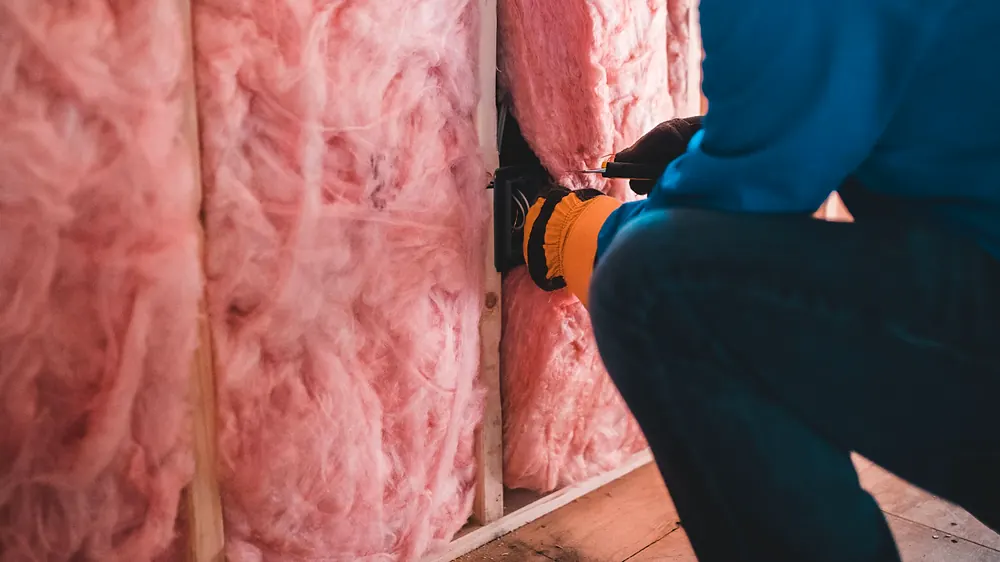
What the underbelly does
Under the floor, a layer called the bottom board, or belly wrap, holds the insulation and ducts in place and closes the floor off from the crawl space. When it tears, insulation drops, ducts sag, and damp air and pests can get in. On the ground below, a vapor retarder keeps soil moisture from rising into the home.
Signs of trouble
- Torn or hanging belly wrap.
- Insulation lying on the ground.
- Sagging or disconnected ducts.
- A musty smell, or floors that feel damp or cold.
- Rodents, or droppings near the access panel.
- Standing water under the home after rain.
Why moisture is the real problem here
- A HUD-backed study of manufactured homes in hot, humid climates found that homes with floor moisture problems often have bottom board damage.
- The same study found ground vapor retarders protect homes from moisture damage, but only where drainage keeps water from collecting under the home.
- It also found duct leakage has one of the biggest effects on air pressure in a home, and air movement is a major way moisture travels. Fixing a torn belly without checking the ducts can miss the cause. See AC and heating.
- Read Minimizing Moisture Problems in Manufactured Homes.
What HUD's standard says
- When skirting encloses the crawl space, a ground vapor retarder is required: at least 6-mil polyethylene, with joints overlapped at least 12 inches and tears repaired. See 24 CFR 3285.204.
- The bottom board is inspected at setup, missing insulation goes back in, and damage is resealed with tape or patches using the manufacturer's method. See 24 CFR 3285.804.
- Crawl space vents must be covered to keep rodents out (24 CFR 3285.505).
- AC condensate must be directed beyond the perimeter of the home, and dryers must vent past the skirting (24 CFR 3285.503).
- The site must drain so water doesn't build up under the home (24 CFR 3285.203).
Polk County's used-home standard
Polk's standard for used homes says the bottom board must be rodent proofed throughout and sealed, that repairs must use materials at least equivalent to the original, and that missing insulation must be replaced. If you're buying a used home to set in unincorporated Polk, expect it to be checked. See Polk's used home standards.
How the repair is done
- Find what's wetting it first: plumbing leaks, AC condensate or poor drainage.
- Pull out wet or fallen insulation.
- Replace the insulation, and reconnect or replace any damaged ducts.
- Patch or replace the belly material and seal it, following the manufacturer's method.
- Lay or repair the ground vapor retarder.
- Seal gaps where pipes and wires pass through, and close up the skirting.
What it costs
Few guides publish a price for belly repair. Fixr lists mobile home insulation at about $500 to $2,000 among related services. A patch costs far less than re-wrapping a whole home, so ask the crew to measure the damaged area and put it in the quote. If they find wet insulation, ask what caused it before you pay to replace it. See Fixr's mobile home cost guide.
Who does the work
Belly repair is usually done by mobile home service companies. Ask about their mobile home experience and insurance. Duct, plumbing and electrical work should go to a Florida-licensed contractor in that trade, and in a park, check whether any skirting removal needs the manager's OK. Florida's handyman exemption ends at $2,500 for labor and materials combined.
Questions to ask before you sign
- What's causing the damage, and will this job fix it?
- How much of the belly will you open, and what will you replace it with?
- Will you check the ducts while you're under there?
- Is there a vapor retarder on the ground, and is it intact?
- How will you keep rodents out?
- Who puts the skirting back?